• Reviews
  • Essays
  • Translations
About
AFTERIMAGE
Subscribe

The Cold Formalism and Corrupted Purity

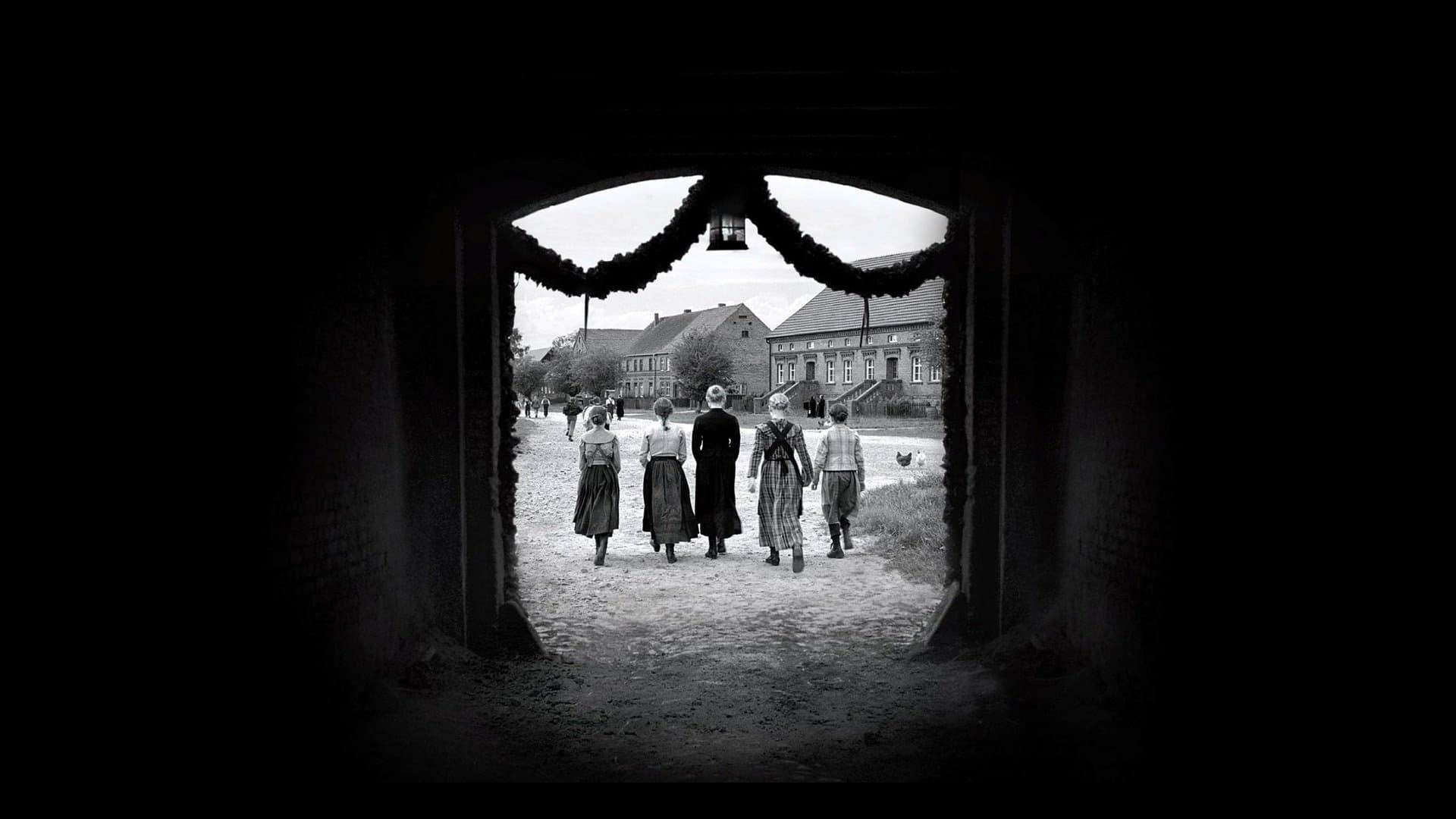
Haneke’s The White Ribbon announces its intentions not with a bang, but with a glacial, unnerving quiet. Subtitled "A German Children’s Story," the film opens on the eve of World War I in the fictional Protestant village.

Karim Liu|March 1, 2026
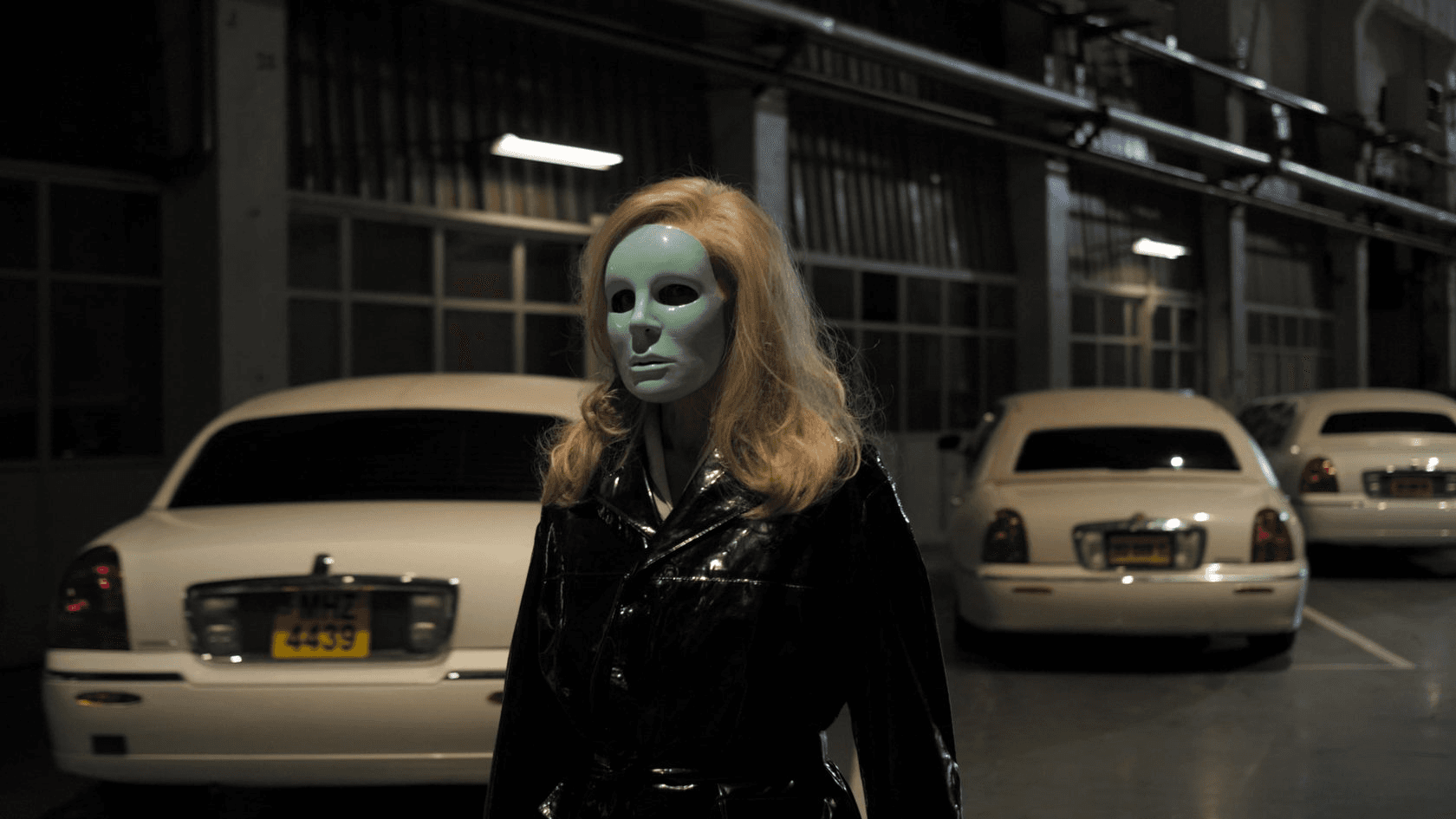
Monsieur Oscar (Denis Lavant) inside a white stretch limousine, mid-transformation—a requiem for visible cameras and a hymn to the performer’s body (Holy Motors, 2012).

Essay

Leos Carax: The Ghost in the Limousine: On the Exhausted Soul of Cinema

Leos Carax’s surreal masterpiece is a Requiem for the visible camera and a hymn to the performer’s body, endlessly transforming for a world that may no longer be watching.

February 18, 2026
Sun-scorched ruin above the Mediterranean; leather, steel, gold, and blood framed in fetishistic close-ups—*Let the Corpses Tan* (2017).

Review

The Abstract Brutality and Sun-Scored Fetish of 'Let the Corpses Tan'

In Hélène Cattet and Bruno Forzani’s brutalist Western, character and plot are incinerated by the Mediterranean sun, leaving behind a pure, fetishistic spectacle of surfaces.

February 5, 2026
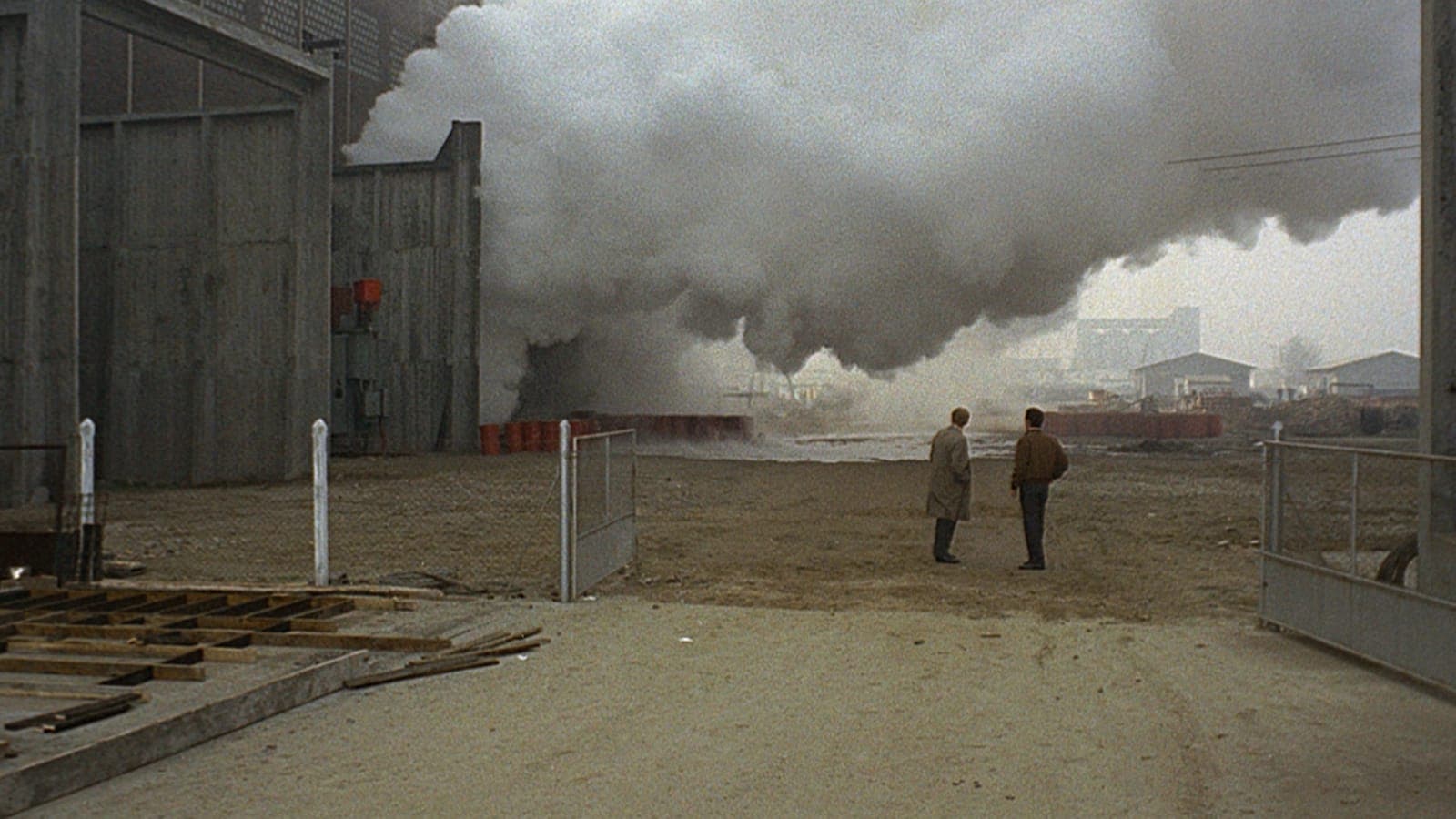
Giuliana (Monica Vitti) framed against Ravenna’s factories—yellow smoke and grey-painted landscape, colour as pathology in *Red Desert* (1964).

Essay

The Chromatics of Sickness: Colour and Consciousness in Red Desert

Antonioni’s first colour film uses a radical, painterly aesthetic to map the internal landscape of a soul fractured by the brutal beauty of the modern industrial world.

November 4, 2025
Mother (Ingrid Bergman) and daughter (Liv Ullmann) at the piano—Bergman’s relentless close-up turns performance into confession in *Autumn Sonata* (1978).

Essay

The Cruel Duet: On Performance and Pain in Autumn Sonata

Ingmar Bergman’s chamber drama is a devastating psychic autopsy, dissecting a mother-daughter relationship where love is a performance and art is the ultimate alibi.

November 4, 2025
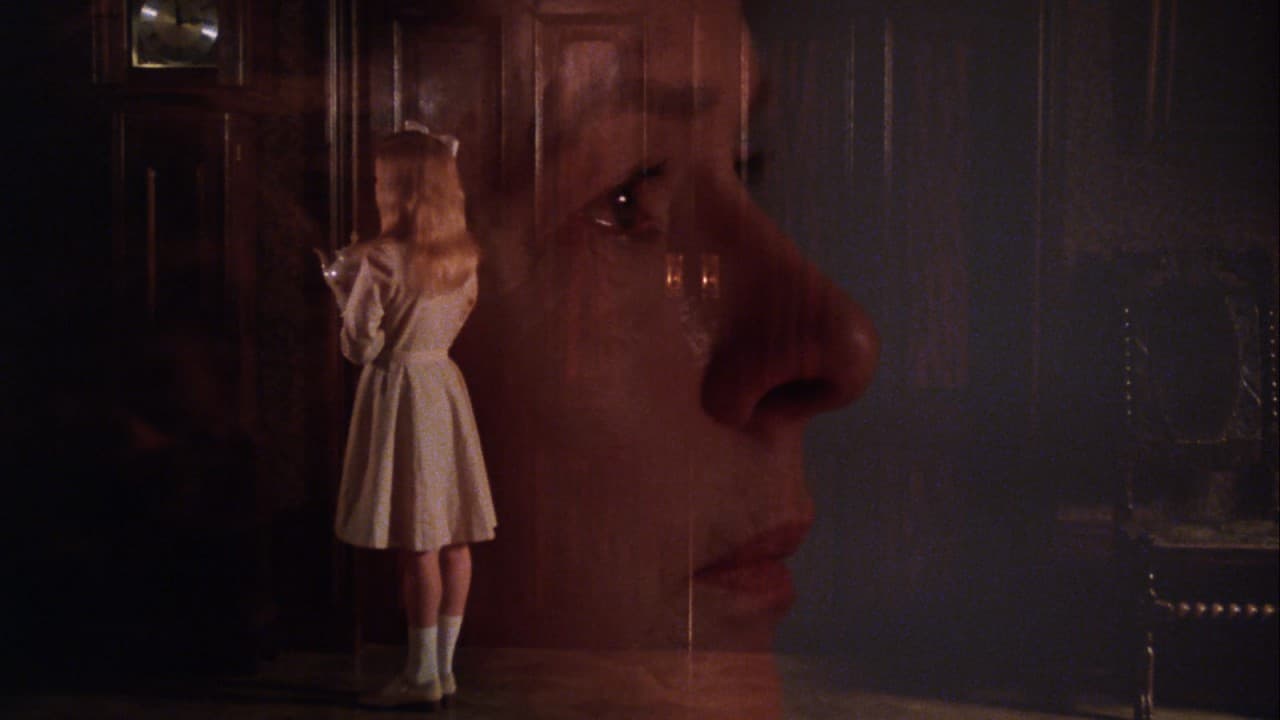
Actress records her final lines in a Leningrad dubbing studio as the crew listens—evoking the body–voice split in Averbakh’s The Voice (1982).

Essay

The Eternal Echo and annihilation in Averbakh’s The Voice

Ilya Averbakh’s quietly devastating final film is a meditation on the space between the dying body and the immortal voice, where art becomes a final, painful act of transcendence.

November 4, 2025
Christian (Claes Bang) before the illuminated “Square” installation in Stockholm—trust framed as art, and a satire of the gap between concept and conduct (*The Square*, 2017).

Review

The Sanctity of the Void: The Uncomfortable Art of Watching Us Fail in The Square

Ruben Östlund’s Palme d’Or winner is a savagely intelligent satire of the art world’s moral vacuum, but its relentless catalogue of human failure sometimes mistakes spectacle.

November 4, 2025
© 2025 Afterimage. All rights reserved.